
How India’s New Infrastructure Wave Is Reshaping Real Estate Valuation Beyond 2026

How India’s New Infrastructure Wave Is Reshaping Real Estate Valuation Beyond 2026

India is entering one of the most consequential infrastructure cycles in its modern real estate history. Large-scale investments across airports, expressways, sea links, coastal mobility corridors, and high-speed rail are not merely improving connectivity; they are restructuring how cities grow, how demand redistributes, and how real estate is valued.

Infrastructure today is no longer a peripheral growth factor. It is a primary driver of micro-market reorganisation, influencing sales velocity, pricing sustainability, rental absorption, and developer capital allocation well before projects become fully operational.

What is changing is not just access but economic behavior.


Infrastructure as a Valuation Catalyst

Across Indian cities, valuation cycles increasingly respond to measurable reductions in travel time, clustering of job ecosystems, and convergence of multiple infrastructure assets.

When connectivity improves:

  • Demand shifts closer to new access points
  • Peripheral markets transition into growth corridors
  • Liquidity improves in previously fragmented micro-markets
  • Developers recalibrate product mix and pricing strategies

These effects are visible early in transaction behaviour not after ribbon-cutting events.


1. Noida International Airport (Jewar): NCR’s Next Economic Geography

Market Interpretation

The Yamuna Expressway–Greater Noida belt is already undergoing structural change. Airport-led development historically triggers land consolidation, logistics clustering, and employment-linked housing demand well ahead of operational launch.

What Market Signals Indicate

Land and Asset Repricing During Construction
Airport corridors across India consistently see accelerated land value movement during execution phases. Along the Yamuna Expressway, early developer positioning is visible across logistics, aviation services, and allied industrial uses.

Job-Led Residential Catchments Emerging
Aviation, MRO, hospitality, logistics, and institutional uses are expected to anchor demand across YEIDA sectors, Tech Zone, and parts of Greater Noida West creating residential absorption that is employment-driven rather than speculative.

Stacked Infrastructure Multiplier
When airports coincide with industrial parks, film cities, and manufacturing clusters, valuation uplift compounds. Markets with single infra triggers behave differently from those with multiple anchors.

Micro-markets Showing Structural Strength

  • YEIDA Sectors 17, 18, 20, 22D
  • Tech Zone / Knowledge Park corridor
  • Greater Noida West
  • Logistics belts along Yamuna Expressway

2. Atal Setu (Mumbai Trans Harbour Link): Rewriting MMR’s Demand Map

Market Interpretation

Travel-time compression has altered buyer psychology across Mumbai Metropolitan Region. Accessibility to South Mumbai has redefined demand distribution across Navi Mumbai and select mainland nodes.

What Market Behaviour Reflects

Demand Redistribution, Not Speculation
Ulwe, Panvel, and Dronagiri are seeing tangible increases in buyer and investor activity driven by demonstrated commute efficiency rather than narrative-led optimism.

Commercial Leasing Rebalancing
Improved connectivity is redirecting occupier interest toward Belapur, Ghansoli, Juinagar, and Turbhe markets offering rental efficiency without sacrificing access.

Wadala’s Emerging Redevelopment Potential
With future integration of Coastal Road connectivity and Atal Setu access, Wadala is emerging as a strategic redevelopment zone with long-term commercial and residential relevance.

Markets Gaining Momentum

  • Ulwe, Panvel, Dronagiri
  • Sewri–Wadala–Parel belt
  • JNPT-aligned logistics corridor

3. Mumbai Coastal Road: Structural Upgrade to South Mumbai

Market Interpretation

Coastal mobility projects tend to generate early valuation premiums, especially in waterfront and core-city markets. South Mumbai is already reflecting this pattern.

Emerging Signals

Premium Inventory Demand Strengthening
Luxury housing in Worli–Prabhadevi–Lower Parel is seeing improved enquiry depth, particularly for sea-facing and high-access assets.

Developer Pipeline Acceleration
Improved commute efficiency is enhancing the marketability of premium mid-town projects, encouraging developers to advance launch timelines.

Reduced Urban Drift
Enhanced internal connectivity may slow the long-term northward migration of end-users, stabilising demand in core-city zones.

Markets Benefiting

  • Worli
  • Prabhadevi
  • Lower Parel
  • Mahalaxmi / Haji Ali

4. Mumbai–Ahmedabad High-Speed Rail: Corridor-Level Transformation

Market Interpretation

High-speed rail reshapes regional economics, not just individual cities. Real estate behaviour increasingly aligns along corridors rather than municipal boundaries.

Observed Patterns

Satellite Town Emergence
Nodes such as Virar, Boisar, and Vapi are beginning to attract residential, hospitality, and commercial interest tied to anticipated mobility upgrades.

Industrial and Logistics Acceleration
The Palghar–Vapi manufacturing belt shows rising demand linked to workforce mobility and supply-chain efficiency.

Surat’s Multi-Trigger Growth
With airport upgrades, HSR connectivity, and strong industrial base, Surat is emerging as one of the most structurally supported growth markets in western India.

High-Potential Nodes

  • Thane
  • Virar
  • Boisar
  • Vapi
  • Surat
  • Ahmedabad peripheral belts

What India’s Infrastructure Cycle Means for Real Estate Valuation

Key Market Observations

  1. Travel-Time Reduction Has Direct Pricing Impact
    Even 15–30 minute reductions materially influence buyer willingness to pay and rental viability.
  2. Employment Ecosystems Form Rapidly Around Infra Assets
    Connectivity attracts businesses, which attract workforce, which sustains housing demand.
  3. Developer Capital Follows Infrastructure Predictably
    Launch activity is consistently higher in infra-adjacent micro-markets than in disconnected zones.
  4. Peripheral Markets Transition into Growth Corridors
    This pattern repeats across metros once strategic infrastructure becomes operational.

Key Investor Considerations

  • Valuation uplift often begins before project completion
  • Execution timelines remain the primary risk, not demand creation
  • Residential near job hubs, logistics near mobility corridors, and commercial near access nodes show the strongest resilience
  • Stacked infrastructure delivers disproportionate returns compared to isolated projects

Closing Perspective

India’s infrastructure expansion is not simply improving movement it is redefining urban economics and real estate valuation frameworks. Markets that understand how connectivity reshapes demand, liquidity, and pricing will outperform those reacting only after infrastructure becomes operational.

The next phase of real estate growth will be driven by anticipatory intelligence, not retrospective validation.

1. How does infrastructure development impact real estate valuation in India?
Infrastructure development directly influences real estate valuation by reducing travel time, improving accessibility, and attracting employment ecosystems. These factors increase demand, improve liquidity, and support sustainable price appreciation across connected micro-markets.


2. Does real estate valuation increase only after infrastructure projects are completed?
No. Valuation uplift often begins during the construction phase itself. Markets typically reprice based on expected connectivity improvements, with early transaction activity reflecting anticipatory demand rather than post-completion speculation.


3. Which infrastructure projects are reshaping real estate markets in India?
Major projects such as the Noida International Airport, Mumbai Trans Harbour Link (Atal Setu), Mumbai Coastal Road, and the Mumbai–Ahmedabad High-Speed Rail are significantly reshaping real estate demand, pricing, and development patterns across NCR, MMR, and western India.


4. How do airports influence nearby real estate markets?
Airports act as long-term economic anchors. They drive job creation across aviation, logistics, hospitality, and services, leading to employment-led residential demand, logistics clustering, and commercial real estate growth well before operations begin.


5. Are peripheral markets benefiting more from new infrastructure than core cities?
Yes. Peripheral markets often transition into growth corridors once connected by strategic infrastructure. Improved accessibility allows these areas to attract residential, commercial, and logistics demand, narrowing the valuation gap with established core markets.


6. What should investors consider when evaluating infrastructure-led real estate opportunities?
Investors should assess execution timelines, stacking of multiple infrastructure triggers, proximity to employment hubs, and early demand indicators. Markets supported by multiple infrastructure assets tend to deliver more resilient and disproportionate long-term returns.

Elevate your decisions in real estate as a developer or broker with CRE Matrix‘s data-driven insights. Book a demo now!

Future of Office Spaces in India: Post-COVID Trends and Structural Opportunities

Future of Office Spaces in India

India’s office market has moved decisively beyond recovery. What began as a post-pandemic reset has evolved into a structurally stronger, more disciplined cycle defined by quality absorption, occupier consolidation, and sustained rental growth.

Contrary to early expectations, hybrid work has not reduced demand for office space in India. Instead, it has reshaped where, how, and what type of office space is being leased.

The data now clearly reflects this shift.


Leasing Momentum: Beyond Pre-COVID Benchmarks

Before the pandemic, India’s Grade A and A+ office market was already on a strong growth trajectory. Between 2018 and 2019, annual leasing volumes averaged ~54 million sq ft.

The post-COVID rebound has exceeded those levels.

  • 2023 leasing demand reached ~62 million sq ft, nearly 15% higher than pre-COVID peaks
  • Leasing activity in Q3 CY’25 alone stood at 19.6 million sq ft
  • In the first nine months of CY’25, absorption touched 62.3 million sq ft, indicating sustained occupier confidence

This is not pent-up demand being released it reflects structural expansion by technology firms, GCCs, BFSI players, and engineering-led enterprises.


Supply Expansion with Improving Discipline

India’s office market crossed a significant milestone in Q3 2025, with Grade A/A+ stock surpassing 1 billion sq ft.

What makes this cycle distinct from earlier ones is not just scale but balance.

  • Demand is consistently outpacing new completions
  • The demand-to-supply ratio stands at ~1.2x, indicating absorption strength
  • Vacancy levels have declined to multi-quarter lows, despite continued stock additions

This marks a departure from earlier cycles where aggressive supply often preceded demand, leading to prolonged vacancy overhangs.


Rental Performance: From Stability to Growth

Rental behaviour is now reflecting tightening market conditions.

  • Pan-India weighted average passing rents reached ₹92.1 per sq ft/month in Q3 CY’25
  • Rental growth is no longer limited to CBDs; high-quality peripheral corridors are also seeing upward pressure
  • Markets with strong GCC and multinational occupier presence are leading rental hardening

This shift indicates that occupiers are prioritising quality, compliance, efficiency, and talent access and are willing to pay for it.


What Has Changed in Post-COVID Office Demand

1. Quality Over Quantity

Occupiers are consolidating into Grade A+ assets, reducing exposure to inefficient or non-compliant buildings.

2. Office as a Strategic Asset

Offices are now seen as collaboration, innovation, and talent-retention hubs not just cost centres.

3. GCC-Led Expansion

Global Capability Centres continue to be a major absorption driver, providing long-term stability across Bengaluru, Hyderabad, Pune, and NCR.

4. Flight to Managed Ecosystems

Integrated business parks with strong infrastructure, amenities, and ESG readiness are outperforming standalone assets.


Emerging Opportunities Across the Value Chain

For Developers

  • Focus on future-ready Grade A+ assets
  • Emphasis on sustainability, flexibility, and efficiency
  • Disciplined phasing aligned with demand visibility

For Investors and REITs

  • Strong re-leasing visibility due to tightening vacancy
  • Rental growth supporting yield stability
  • Asset quality differentiation becoming more pronounced

For Occupiers

  • Early-mover advantage in emerging corridors
  • Portfolio optimisation across cities
  • Ability to lock in space before further rental hardening

Outlook: The Next Phase of Office Growth

India’s office market has entered a post-pandemic expansion phase, not a recovery phase.

With:

  • Leasing volumes consistently above pre-COVID levels
  • Vacancy tightening despite large stock additions
  • Rentals showing broad-based upward movement

…the office sector is positioned for sustained, demand-led growth.

The future of office spaces in India will be shaped less by remote-work narratives and more by economic expansion, global integration, and the country’s role as a core office destination.

1: What is the future of office spaces in India after COVID?

India’s office market has moved beyond recovery into a structural growth phase. Leasing volumes are consistently above pre-COVID levels, vacancies are tightening, and rentals are showing broad-based growth driven by GCCs and multinational occupiers.


2: Has hybrid work reduced office space demand in India?

No. Hybrid work has reshaped office demand rather than reduced it. Occupiers are prioritising high-quality Grade A and A+ offices that support collaboration, compliance, and employee experience, leading to consolidation rather than contraction.


3: Which sectors are driving office leasing demand in India?

Technology firms, Global Capability Centres (GCCs), BFSI players, and engineering-led enterprises are the primary drivers of office space absorption across key markets such as Bengaluru, Hyderabad, Pune, and NCR.


4: Are office rentals increasing in India post-COVID?

Yes. Pan-India weighted average office rents have entered a growth phase, supported by tightening vacancies and sustained occupier demand, especially in markets with strong multinational and GCC presence.


5: What opportunities does the post-COVID office market create for developers and investors?

Developers benefit from demand for future-ready Grade A+ assets, while investors and REITs gain from improving rental growth, strong re-leasing visibility, and clearer asset quality differentiation.


6: Is India still an attractive office destination globally?

Yes. India continues to strengthen its position as a global office destination due to economic expansion, global integration, talent availability, and long-term GCC-led demand.

Elevate your decisions in real estate as a developer or broker with CRE Matrix‘s data-driven insights. Book a demo now!

The Growth of E-Commerce Warehousing and Industrial Real Estate in India

The-Growth-of-E-Commerce-Warehousing-and-Industrial-Real-Estate-in-India

India’s warehousing and industrial real estate market has moved from being a support function to becoming a core pillar of the country’s consumption and manufacturing economy. The expansion of e-commerce, growth of organised retail, and increasing sophistication of supply chains have fundamentally altered demand dynamics across logistics parks, fulfilment centres, and industrial hubs.

What stands out in the current cycle is not just volume growth but sustained demand outpacing supply, leading to tightening vacancy and rising rentals.


Demand Momentum: Structural, Not Cyclical

Warehousing absorption in India has entered a phase of structurally strong growth.

  • Q1 CY’25 recorded 10.1 million sq ft of Grade A/A+ leasing, exceeding new supply of 9.0 million sq ft
  • Vacancy levels declined to ~7%, reflecting healthy absorption across major markets

This imbalance is not short-lived. It is being reinforced by persistent demand from e-commerce-led fulfilment models and third-party logistics operators.


H1 CY’25: Demand Continues to Outrun Supply

The trend strengthened further over the first half of the year.

  • H1 CY’25 demand reached 33.1 million sq ft
  • New supply stood at 27.9 million sq ft, again falling short of absorption

This sustained demand–supply gap highlights a market transitioning into a landlord-favourable phase, particularly for well-located Grade A assets.


Who Is Driving Warehouse Demand?

1. Third-Party Logistics (3PL): The E-Commerce Engine

3PL operators remain the single largest demand driver.

  • Accounted for 34% of total demand in Q1 CY’25
  • Represented ~29% of national demand in H1 CY’25

This growth is directly linked to e-commerce platforms outsourcing storage, sorting, and last-mile operations to scalable logistics partners.


2. Manufacturing: Supply Chains Localising

Manufacturing contributed ~28% of warehousing demand in H1 CY’25, reflecting:

  • Increasing domestic production
  • Just-in-time inventory models
  • Integration of warehousing with industrial clusters

3. Automotive: High-Spec Storage Requirements

Automotive and auto-ancillary players formed ~17% of H1 CY’25 demand, driven by the need for high-quality, compliant storage close to consumption and export nodes.


Collectively, 3PL, Manufacturing, and Automotive accounted for ~75% of national warehousing demand, underscoring the deepening backbone of India’s digital and industrial economy.


Geographic Concentration: NCR and Pune Lead

Demand remains concentrated in established logistics hubs:

  • NCR and Pune together accounted for ~45% of leasing demand in H1 CY’25
  • These markets also contributed ~48% of new supply

Their dominance is driven by:

  • Proximity to large consumption centres
  • Strong expressway and freight connectivity
  • Established industrial ecosystems

However, sustained absorption suggests these markets continue to have headroom particularly for institutional-grade developments.


Rental Movement: Early Signs of Tightening

Rental trends are now reflecting tightening market conditions.

  • Pan-India passing rents rose ~4% YoY in Q1 CY’25
  • By Q2 CY’25, market rents increased ~13% YoY, indicating accelerating momentum

Rental growth is most pronounced in markets with:

  • Limited land availability
  • High compliance-grade assets
  • Proximity to urban consumption clusters

What Is Structurally Changing in Warehousing

1. Shift Toward Grade A/A+ Assets

Occupiers increasingly prefer facilities with:

  • Higher floor load capacity
  • Better clear heights
  • ESG compliance
  • Automated handling compatibility

2. Speed-to-Market Matters

Fulfilment timelines are shrinking, making location and access more critical than ever.

3. Long-Term Occupier Commitment

E-commerce and 3PL leases are increasingly longer-tenured, improving income visibility for investors.


Opportunity Landscape

For Developers

  • Focus on scalable logistics parks
  • Emphasise compliance, safety, and expansion flexibility
  • Land banking near expressways and consumption clusters is critical

For Investors

  • Falling vacancy and rising rents improve yield stability
  • Grade A warehousing is emerging as a core institutional asset class

For Occupiers

  • Early positioning in high-demand corridors can secure cost advantages
  • Competition for quality space is increasing

Outlook: A Long-Term Growth Engine

India’s warehousing and industrial real estate sector is no longer cyclical or opportunistic. It is structurally aligned with consumption growth, digital commerce expansion, and industrial scaling.

With:

  • Demand consistently exceeding supply
  • Vacancy tightening
  • Rents showing upward momentum

Warehousing is fast becoming one of the most resilient and institutionally relevant real estate asset classes in India.

1. What is driving the growth of warehousing and industrial real estate in India?
The growth is primarily driven by e-commerce expansion, organised retail, third-party logistics (3PL) operators, and manufacturing localisation. These sectors require large, compliant, and well-located warehousing facilities, leading to sustained demand.


2. Is India’s warehousing demand cyclical or structural?
Warehousing demand in India is structural rather than cyclical. Persistent absorption exceeding supply, tightening vacancy levels, and longer lease tenures indicate long-term alignment with consumption and supply-chain evolution.


3. Which sectors are the biggest contributors to warehousing demand?
Third-party logistics (3PL), manufacturing, and automotive sectors collectively account for around three-fourths of national warehousing demand, reflecting the deepening backbone of India’s digital and industrial economy.


4. Which cities are leading warehousing and logistics demand in India?
NCR and Pune are currently the leading warehousing markets, driven by strong consumption bases, expressway connectivity, and established industrial ecosystems. These hubs continue to see healthy absorption despite significant new supply.


5. Are warehouse rentals increasing in India?
Yes. Warehouse rentals have begun to rise as vacancy tightens. Pan-India rents have shown year-on-year growth, especially in markets with limited land availability, strong compliance standards, and proximity to urban consumption clusters.


6. Why is Grade A warehousing gaining importance?
Occupiers increasingly prefer Grade A and A+ facilities due to higher floor loads, better clear heights, ESG compliance, automation readiness, and operational efficiency, making these assets more resilient and institutionally attractive.

7. Is warehousing becoming a core asset class for investors in India?
Yes. With falling vacancy, improving rental visibility, and long-term occupier commitments, Grade A warehousing is emerging as a core institutional real estate asset class alongside offices and residential assets.

Elevate your decisions in real estate as a developer or broker with CRE Matrix‘s data-driven insights. Book a demo now!

IKEA Expands Pune Footprint with New City Store at Phoenix Marketcity

Ikea leases store in Pune

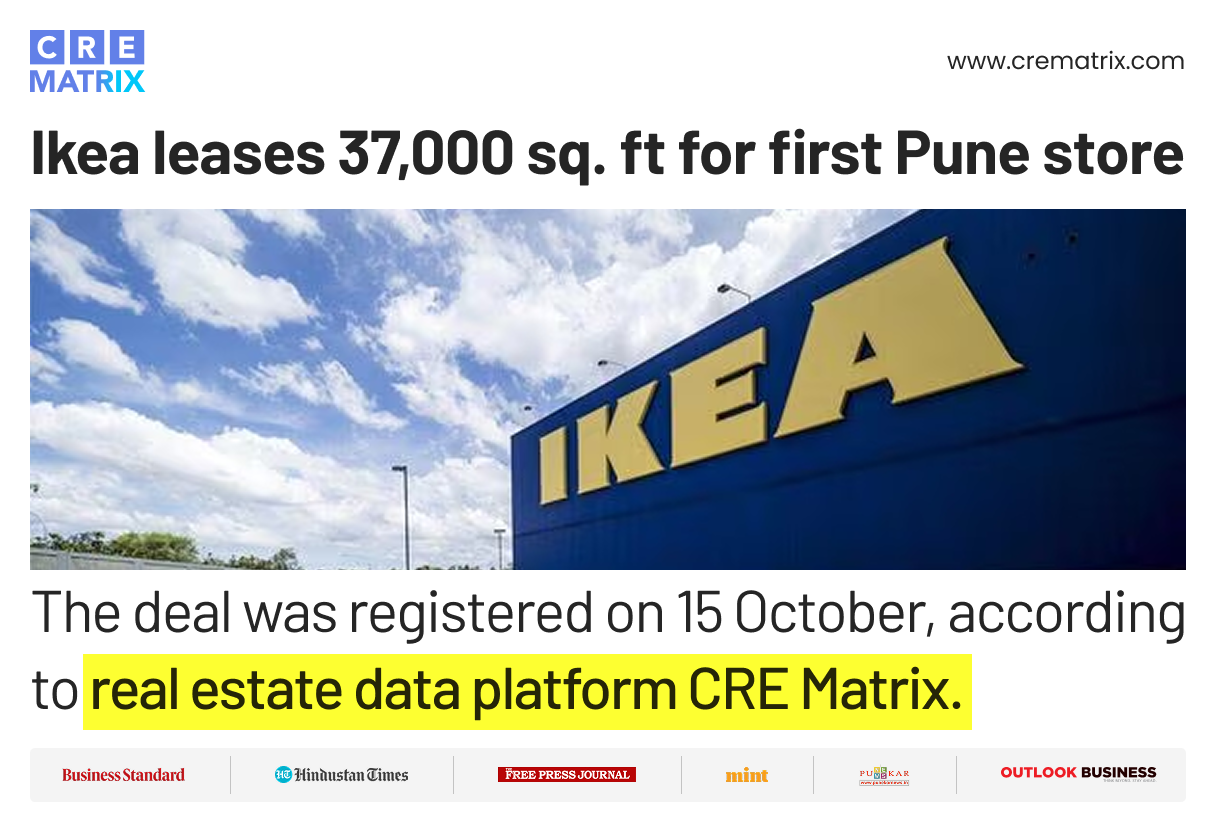
Global furniture giant IKEA’s India arm has taken a strategic step in expanding its footprint in the city of Pune by leasing approximately 37,259 sq ft of retail space in the prominent mall Phoenix Marketcity Pune. The lease, signed for a span of four years and eleven months, commenced on 25 September 2025 and is slated to run until 24 August 2030, according to documents accessed by CRE Matrix.

Positioned on the ground floor of the mall in Viman Nagar Road, Lohegaon, this site will become a “city store” for IKEA India, signalling a move to deepen its omnichannel presence in the Pune market—beyond just online and major destination stores. The monthly starting rent set by IKEA is ₹38.12 lakh, the total agreement value at ₹3.06 crore, and the initial security deposit paid at ₹1.15 crore (from a required ₹2.3 crore), highlighting the seriousness of the commitment. 

According to IKEA India, Pune has long been a key market where strong customer demand has been evident—many of its shoppers have historically travelled to the Navi Mumbai store for inspiration and full-range home furnishing. The launch of online e-commerce services in Pune in January 2020 made it the second Indian city after Mumbai to access IKEA’s full range digitally—over 6,500 well-designed, affordable home furnishing products are now accessible online to local shoppers.

By choosing a city-store format in a high-traffic mall, IKEA appears to be bridging the gap between its digital channel strength and the classic store experience, thereby tapping into both convenience-oriented consumers and the traditional retail-experience seekers. In a city known for its expanding residential base, improved infrastructure, and rising urban lifestyle demands, this move aligns well with the growing appetite for modern home solutions among Pune’s middle- and upper-income segments.

IKEA India’s new lease in Pune is a clear signal of the brand’s intent to combine physical retail, digital access, and local market penetration—all aimed at delivering a richer “home furnishing” experience to a city that is increasingly important in its growth map.

Earlier in September 2025, IKEA signed a nine-year lease with Pacific Development Corporation for 14,471 sq. ft. at Pacific Mall, West Delhi, with a security deposit of ₹4.25 crore.

Elevate your decisions in real estate as a developer or broker with CRE Matrix‘s data-driven insights. Book a demo now!


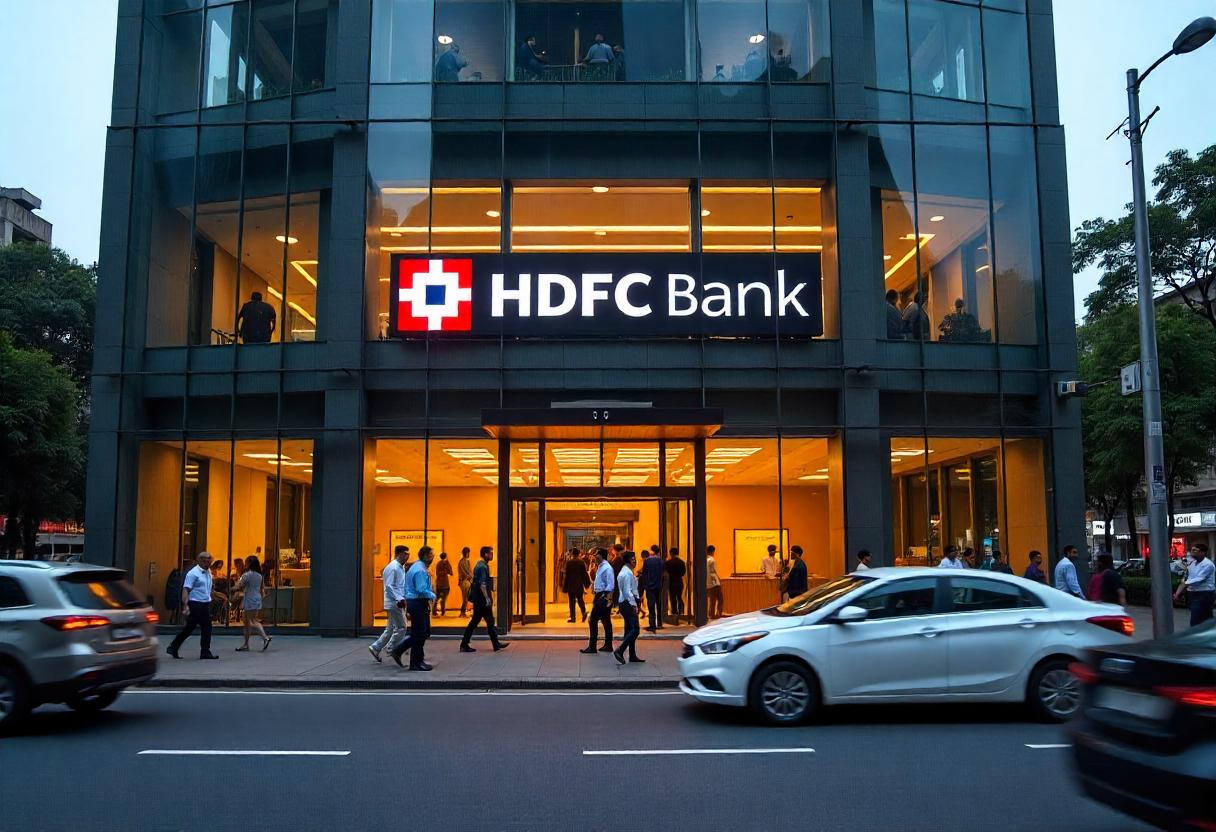
HDFC Bank Signs Rs 1,020-Cr Lease Agreement for 4.5 Lakh Sq Ft Office Space in Mumbai’s Andheri

HDFC Bank Signs Rs 1,020-Cr Lease Agreement for 4.5 Lakh Sq Ft Office Space

A significant commercial lease has been signed by HDFC Bank in Mumbai’s Andheri. The bank has secured 4.50 lakh sq ft of space at an annual rental cost of more than ₹1,020 crore, according to documents accessed by CRE Matrix

Documents reveal that HDFC Bank has signed a 10-year lease for a carpet area of nearly 2.73 lakh sq ft within R Square, a commercial building constructed by Histyle Retail Pvt Ltd, a subsidiary of Runwal Realty. This significant lease agreement highlights HDFC Bank’s commitment to expanding its presence in Andheri, Mumbai.

The leasing of the commercial space has been executed through a series of three separate agreements. These agreements cover selected units located on the ground floor, as well as the first through sixth floors of the building. The monthly rental payment for the leased space is ₹6.45 crore, translating to an annual rent exceeding ₹1,020 crore. The lease agreement includes a provision for a 15% rent escalation at the end of every 36 months. 

The licensee was permitted to commence operations on January 21, 2025, with the agreement subsequently being registered on January 27, 2025. The commercial space features 227 parking spaces. A significant security deposit of ₹116 crore was paid by HDFC Bank as part of the leasing agreement.

Abhishek Kiran Gupta, CEO and co-founder of CRE Matrix and IndexTap.com commented, “Andheri is a growing office market of Mumbai in terms of annual leasing activity, new housing developments, metro, airport, and highway connectivity, hospitality, and everything in between.”

Recent Transactions in Mumbai

In a recent transaction, Tata Investment Corp acquired two office properties totaling 42,743 sq ft in Mumbai’s Wadala area for nearly ₹150 crore. In another transaction last year, Nielsen Media India Private Limited and its subsidiary leased 1.52 lakh square feet of office space in Mumbai’s Goregaon.

Elevate your decisions in real estate as a developer or broker with CRE Matrix‘s data-driven insights. Book a demo now!
Tata Investment Corp Purchases Office Space in Wadala, Mumbai, for ₹150 Crore

Tata Investment Corp Purchases Office Space in Wadala

Tata Investment Corporation, Tata Group’s non-banking financial company, has acquired two office properties totaling 42,743 sq ft in Mumbai’s Wadala area for nearly ₹150 crore, according to documents accessed by CRE Matrix

The Agreement for Assignment cum Sale indicates that NCP Commercial Pvt Ltd has transferred ownership of the two office spaces situated in the Lodha Excelus building in the Wadala region of Mumbai.

The first office space, situated on the seventeenth floor of Lodha Excelus, encompasses an area of 21,441 square feet and was acquired for a sum of ₹74.24 crore. It includes a provision for twenty-eight car parking spaces. The second office space, a substantial 21,302 square feet, occupies the entire 22nd floor of the prestigious Lodha Excelus building. This acquisition, valued at ₹73.75 crore, also includes a generous allocation of 35 car parking spaces.

The documentation reveals that the transaction was officially recorded on January 10th, requiring the payment of a stamp duty amounting to ₹8.88 crore. The property in question is equipped with 63 designated car parking spaces.

Tata Investment’s purchase of office space in Wadala highlights the area’s growing importance. Wadala boasts excellent connectivity. It enjoys proximity to Bandra Kurla Complex (BKC), India’s most expensive commercial hub, and South Mumbai. Furthermore, strong highway links facilitate easy travel to both western and eastern suburbs. Access to Atal Setu provides convenient connectivity towards Ulwe, Panvel, Navi Mumbai, and beyond.

Recent Office Transactions in Mumbai 

The continuous growth of businesses in Mumbai, India’s premier commercial hub, has created a demand for high-quality office spaces. This dynamic market attracts a diverse range of businesses, from multinational corporations to innovative startups, all seeking strategic locations to establish and expand their operations.

In a transaction last year, Nielsen Media and its subsidiary leased 1.52 lakh sq ft of office space in Mumbai for ₹3.87 Crore per month for 10 years. In another transaction, a subsidiary of Redbrick Offices acquired 22 office units for Rs 267.5 Crore in Mumbai. 


Elevate your decisions in real estate as a developer or broker with CRE Matrix‘s data-driven insights. Book a demo now!
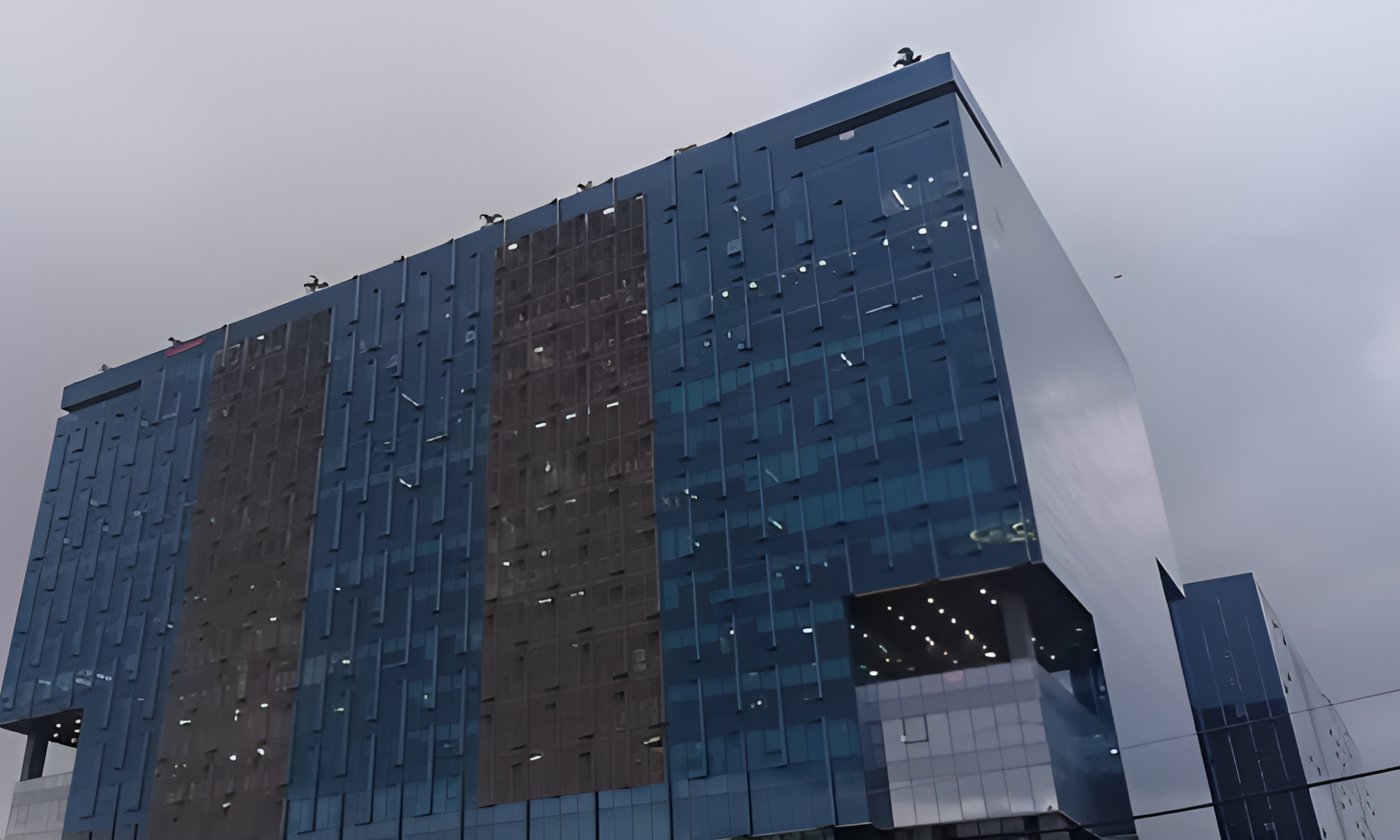
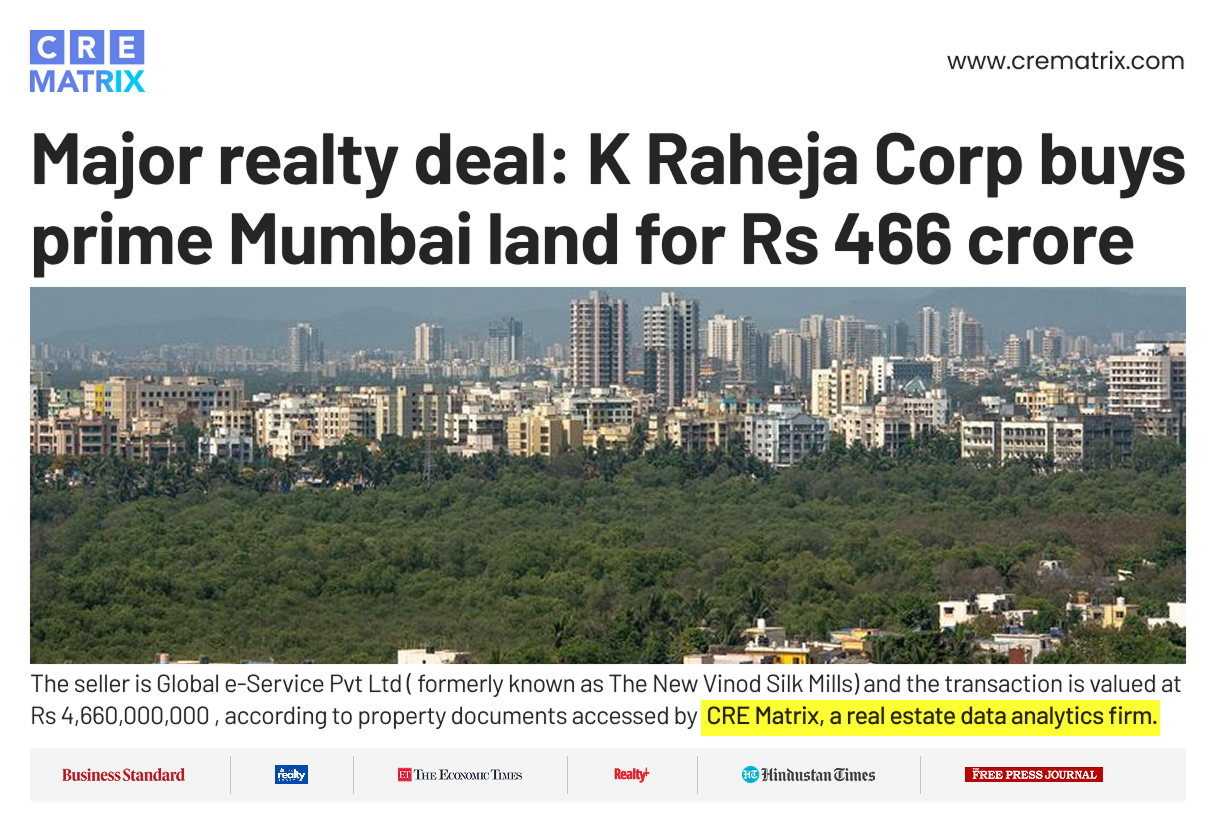
K Raheja Corp Shells Out Rs 466 Crore for 5.7 Acres in Mumbai’s Kandivali

K Raheja Corp Shells Out Rs 466 Crore for 5.7 Acres in Mumbai's Kandivali

Realty developer K Raheja Corp has entered into an agreement to acquire a 5.75-acre parcel of land, including existing structures, in the eastern district of Kandivali, Mumbai, for a consideration of approximately ₹466 crore, according to documents accessed by CRE Matrix

A subsidiary of the company, K Raheja Corp Real Estate, entered into an agreement with Global e-Service, the successor entity to The New Vinod Silk Mills, to purchase the land parcel and the building known as Vinod House.

The documents state that the entire time needed to finish the transaction will impact the consideration value. For instance, the entire consideration value will be ₹422 crore if the transaction is finalized between November 2025 and January 2026. However, the consideration value will increase to ₹466 crore, if the transaction is completed by the maximum date of December 2029.

The developer paid a stamp duty of ₹31.74 crore to register the land acquisition agreement signed on December 22nd. K Raheja Corp Real Estate plans to develop a luxury residential project on the acquired plot and is seeking necessary approvals from Mumbai’s civic authorities. 

K Raheja Corp has made an initial payment of ₹210 crore to Global e-Service. The remaining payment will be made upon receiving approval from the civic authority. The agreement stipulates a five-year timeframe for the developer to obtain the necessary permissions.

This acquisition marks the fourth property purchase by K Raheja Corp in recent months. Last month, the developer acquired two prominent properties: Bayside Mall, an early entrant in India’s shopping mall scene, and Popular Press Building, spanning over half an acre in South Mumbai’s Tardeo area, for a combined transaction value exceeding ₹ 355 crore.

Recent Land Transactions in Mumbai 

The Mumbai real estate market is witnessing a surge in land transactions, because of robust demand for luxury residences. Realty developers are picking up land parcels through outright purchases, entering into joint development agreements, and undertaking housing society redevelopment projects to capitalize on the growing appetite for luxury properties at prime locations.

This aggressive land-grabbing reflects the city’s enduring allure and the escalating desire for high-end living spaces in prime locations.

In a recent transaction, Equinix India bought 5,597 sq m of land in Mumbai’s Chandivali for ₹155 crore. In another transaction, Mahindra and Mahindra Ltd Sold 20.5 Acres of land in the Kandivali Area for Rs.210 Crore. 

Elevate your decisions in real estate as a developer or broker with CRE Matrix‘s data-driven insights. Book a demo now!
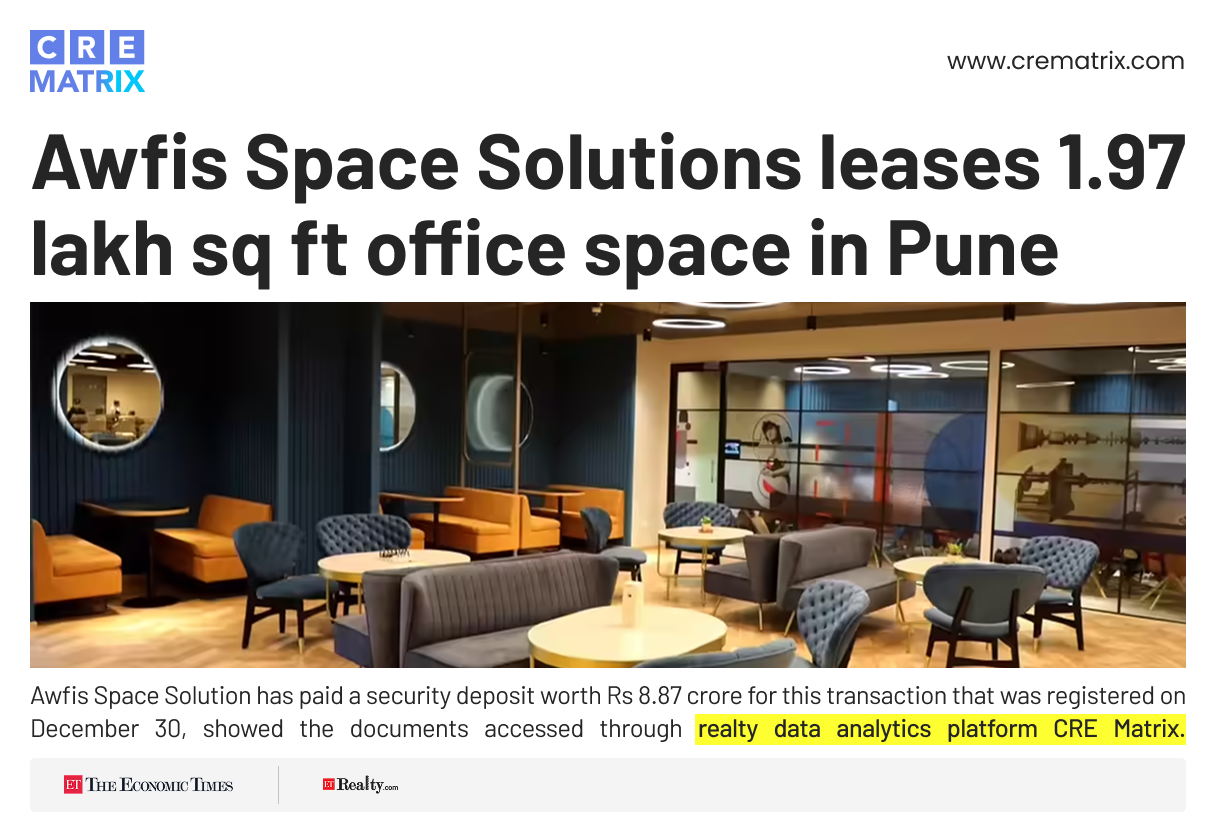
Awfis Space Solutions Secures 1.97 Lakh Sq Ft Office Space in Pune’s Kharadi

Awfis Space Solutions Secures 1.97 Lakh Sq Ft Office Space in Pune's Kharadi

Co-working giant Awfis Space Solutions expands its footprint with a 197,000 Sq Ft lease in Pune’s thriving Kharadi over a five-year lease, according to documents accessed by CRE Matrix

For the initial three-month fit-out period commencing on January 1st, the company will pay a monthly rental of Rs 18 per square foot. After the initial three months, lease rentals will be structured based on a profit-sharing model with a minimum guarantee, as outlined in the agreement between the company and the developer. 

This transaction, registered on December 30th, involved a security deposit payment of Rs 8.87 crore from Awfis Space Solutions. The leased office space occupies all 17 floors of the commercial tower. The agreement includes a monthly common area maintenance charge of Rs 4 per square foot of carpet area.

Startups and small businesses are leaving behind traditional office setups and embracing the freedom of flexible workspaces. With hybrid work becoming the norm, who needs a massive office gathering most of the time? Coworking spaces and managed offices offer the perfect solution. This flexibility is a game-changer, especially in dynamic cities like Bengaluru, Mumbai, and Delhi-NCR. The market is exploding with options, from sleek, modern offices to cozy, creative workspaces.

Recent Office Transactions in Pune

Pune’s manufacturing and IT sectors are driving the city’s office market. Areas like Magarpatta City, Kharadi, and Hinjewadi are popular spots for businesses, with lots of modern office buildings popping up. You can find everything from big corporate towers to smaller, more flexible spaces, so there’s something for every company.

In a recent transaction, CA India Technologies Pvt. Ltd. Extended its Office Lease in Pune’s IT Hub with Annual Rent Exceeding ₹12 Crore. 

Elevate your decisions in real estate as a developer or broker with CRE Matrix‘s data-driven insights. Book a demo now!
CA India Technologies Pvt. Ltd. Extends Office Lease in Pune’s IT Hub with Annual Rent Exceeding ₹12 Crore

CA India Technologies Pvt. Ltd. Extends Office Lease

US-based CA Technologies Private Limited has renewed its lease for a 1.08 lakh sq ft commercial space in Pune’s Kharadi area, a key IT hub. The lease agreement made with a subsidiary of Panchshil Realty involves an annual rent exceeding ₹12 crore for a five-year term, as per property registration documents obtained by CRE Matrix. This commercial space is situated in the Eon Free Zone, a prominent office hub in Kharadi, and is owned by Eon Kharadi Infrastructure Pvt Ltd. The agreement was registered on November 28, with the tenant providing a security deposit of ₹8.46 crore and a stamp duty of ₹49.57 lakh.

The leased property includes the ground, second, and third floors, totaling 1.08 lakh sq ft. It offers 308 parking spaces, comprising 108 for four-wheelers and 200 for two-wheelers. The current monthly rent is set at ₹98 per sq ft, amounting to ₹1.07 crore, and this rate will remain until November 2025. The rent is scheduled to increase over the lease term, rising to ₹1.12 crore per month in 2025, ₹1.18 crore in 2026, ₹1.24 crore in 2027, and ₹1.30 crore in 2028. Previously, from 2022 to 2024, CA Technologies leased a larger space of over 1.83 lakh sq ft at a monthly rent of ₹2.05 crore.

Kharadi’s commercial real estate market is thriving, with local brokers reporting monthly rental rates of around ₹90 per sq ft for Grade A office spaces. According to Abhishek Kiran Gupta, CEO and co-founder of CRE Matrix and IndexTap.com, this transaction highlights how the office markets are still thriving as start-ups, Indian corporations, and GCC companies continue to grow. Ample human resources, Grade A office buildings, and affordability are the main factors that make Pune a desirable office market. Despite a slowdown in growth, Grade A office rentals are still increasing.

Recent Transactions

Pune’s commercial real estate market continues to witness strong activity, with recent transactions reflecting steady demand. In a recent deal, The Lodha Group purchased a 2.82-acre land plot in Pune’s Hinjewadi for Rs 111 crore. In another transaction, MRF secured the lease of 3.85 lakh sq ft of large warehousing space in the Mawal area of Pune.


Elevate your decisions in real estate as a developer or broker with CRE Matrix‘s data-driven insights. Book a demo now!
Property Ventures Sells Malad IT Park to Clear Bridge Ventures for ₹335 Crore

Property_Ventures_Sells_Malad_IT_Park

Property Ventures (India) Pvt Ltd, a subsidiary of RK Marbles, has recently sold an IT Park located in Mumbai’s Malad area to Clear Bridge Ventures LLP for a substantial sum of ₹335 crore. This information was revealed in property registration documents accessed by CRE Matrix. The IT Park spread across an area of 1.96 acres is located in the Linking Road area of Malad West, a well-connected and sought-after area, which adds to the property’s value.

The sale of the IT Park was finalized on August 23, 2024, with a stamp duty of ₹21.85 crore paid on the transaction. This information is based on the property registration documents.  

The IT Park, a substantial structure with six floors above ground level, offers a total saleable area of 1.47 lakh square feet. The property provides ample parking facilities with 123 car parking spaces and six designated slots for other vehicles, as detailed in the registration documents. These features make the property highly attractive to potential investors in the IT sector.

The sale of this IT Park highlights the strong demand for commercial real estate in Mumbai, particularly in well-connected areas like Malad. The property’s features, including ample parking and a prime location, make it an attractive investment option. This significant deal underscores the thriving commercial real estate market in the city.

Recent Transactions in Mumbai

Mumbai’s commercial real estate market is booming. The commercial real estate market is experiencing a significant surge in high-value deals, particularly in the office space sector. This reflects the city’s strong economic growth and strategic importance for businesses. Leading companies and investors are flocking to Mumbai to capitalize on this thriving market.

In a recent transaction, the subsidiary of Redbrick Offices acquired 22 office units for Rs 267.5 crore in Mumbai’s Marol area. In another major corporate spaces deal, Nielsen Media and its subsidiary recently leased 1.52 lakh square feet of office space for ₹3.87 crore per month for a 10-year term in Mumbai’s Goregaon locality. 

Elevate your decisions in real estate as a developer or broker with CRE Matrix‘s data-driven insights. Book a demo now!