
Grading Office Buildings in India – Our 4 Parameters

How does India grade it’s office buildings? Is there a formula to this? Why one office building may be A+ in grading and still command a rental lower than a grade A building? All this and a lowdown on how CRE Matrix grades office buildings across India.

Office space is crucial for any firm’s development as the workspace environment plays a vital role in the employee’s mental health and wellbeing. The quality of the physical workplace setting has a powerful sway on the company’s capability to both recruits as well as retail employees. 

Since the work environment is extremely important, companies are now looking out for appropriate and best office spaces in India that can keep their employees satisfied. Happy employees can help reap profits for the business. It is observed that more and more companies in India are becoming very particular about the kind of office space they want in a specific type of commercial building. 

India is filled with different kinds of commercial buildings in any city. If you’re considering taking up office space for your company, you would have many options to consider based on your preferences and budget. The location is one of the many factors that need to be kept in mind before taking up office space in a building. 

Some of the other parameters are the age of the building, amenities offered, parking, design of the building, and so forth. It is based on these criteria that commercial buildings in this country may be categorized as Grade A building, Grade B building, and Grade C building. These classifications may help to determine the rents of the buildings. 

Let us look at the various parameters that help classify the office buildings India:

Amenities 

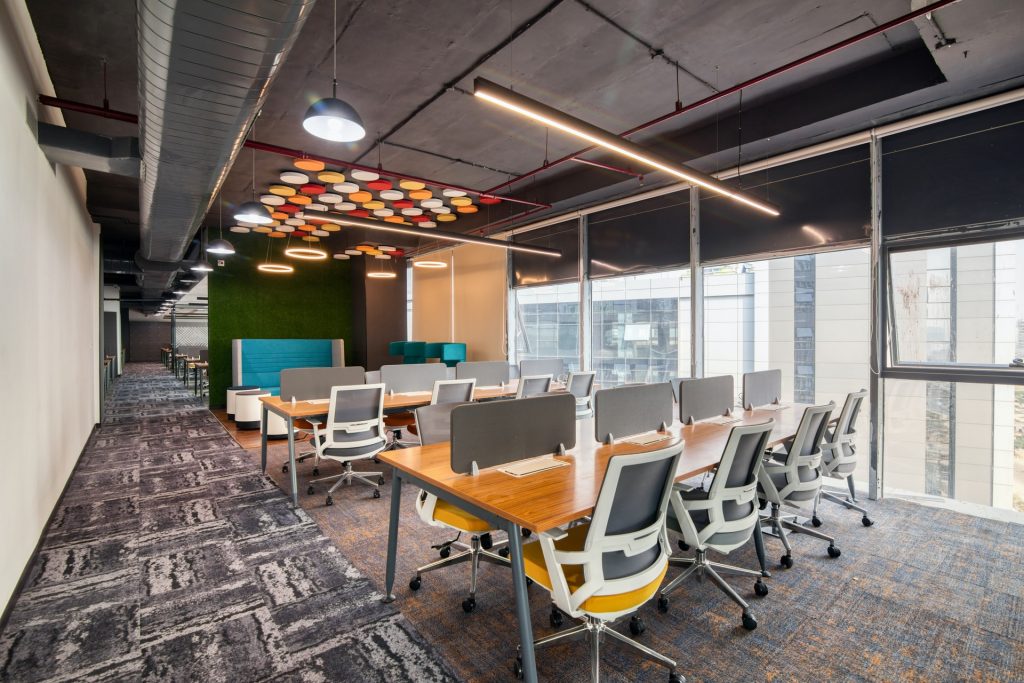
Grade A buildings are bestowed with the specific grade because they come with a lot of high-quality amenities. They feature facilities such as fire prevention systems, fire-management systems, earthquake-resistant structures, and so forth. Grade A office building Mumbai will have a cutting-edge HVAC (Heating Ventilation, Air Conditioning), extremely safe elevators, and state-of-the-art concierge services. The utilities such as water and electricity are exceptionally effective. These buildings usually house a cafeteria, food court, restaurants, ATMs, coffee shops, and so forth. 

On the other hand, a Grade B office building will have elevators that work well but are not considered to be superior quality. Water and electricity systems are not deemed to be extremely effective. Many may not even come with features such as earthquake-resistant structures and waste recycling units. As for Grade C office buildings, they barely have any amenities. In India, you will not find any lobby area or even elevators. 

Location

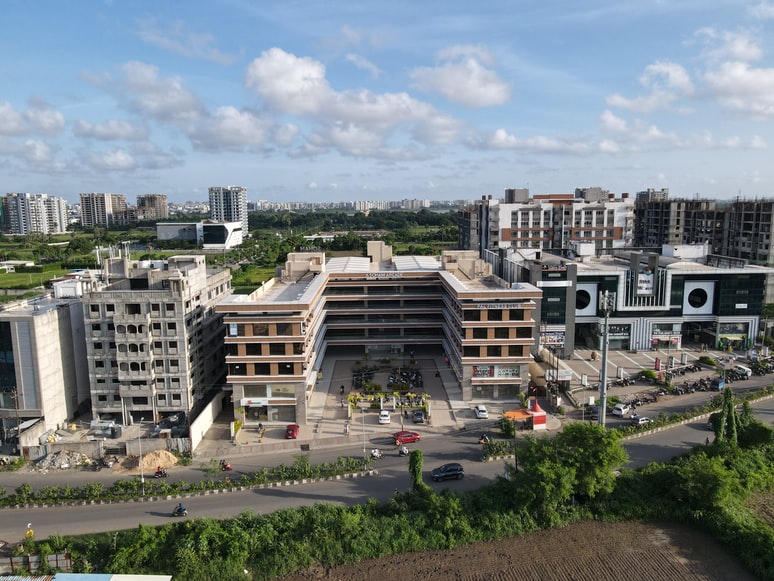
Grade A buildings are typically located in the heart of central business districts. In metropolitan cities such as Mumbai or Bengaluru, they are more likely to have enormous open spaces or some kind of greenery landscape that adds to the beauty of the building. Grade B buildings are not so centrally located but manage to have a decent location. Grade C buildings are not perched in busy commercial hubs and can be located in any lane or road. 

Parking 

Grade A buildings have professional management and have adequate parking for every corporate tenant, their employees, and their guests who could visit occasionally. Grade B buildings generally compromise on factors like security and parking. They will have enough for the employees of the corporate tenants but not extend it to their guests. Grade C office building MMR will not have enough parking spaces to fit vehicles of all employees of their corporate tenants. 

Architecture 

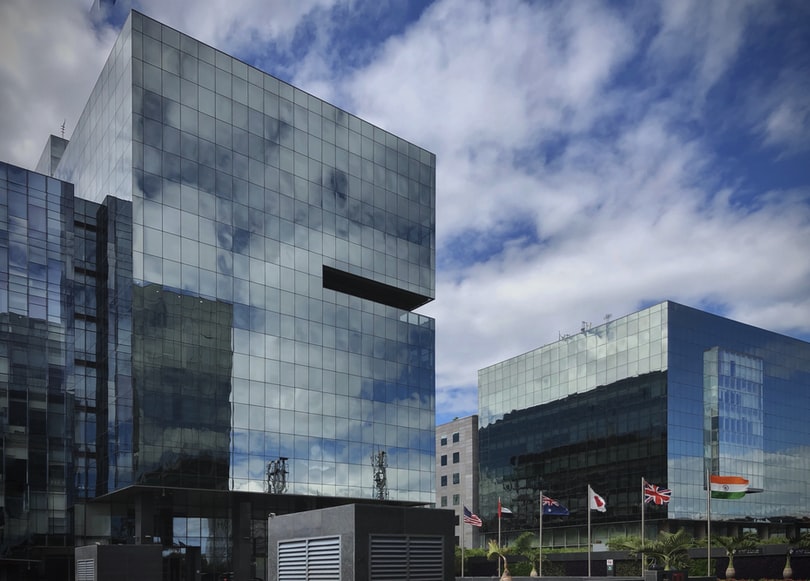
Grade A office buildings are typically architectural marvels and extremely posh and upscale in their looks. These buildings are typically newly built and have the necessary infrastructure in place. Grade B buildings are usually older than Grade A buildings and are not as shiny and glitzy as the former. Grade C buildings are usually the oldest as compared to the other two and typically need a lot of repair work. 

We deploy 5 other parameters which form our secret sauce to grade buildings. To know more, sign up with us and we’ll take you through how we grade buildings using artificial intelligence, machine learning and a lot of human intelligence.

CRE Matrix is India’s preferred real estate data analytics platform. We can provide stakeholders with every minute detail about a commercial building including its grading. 

For more such exciting analysis and details on real estate, visit CRE Matrix.

A 10-Step Guide to Becoming a Superstar Commercial Real Estate Broker in India

The Indian real estate market is quite diverse yet dynamic and competitive in nature, especially for real estate brokers. To carve a niche of success, it is quite imperative for brokers to understand the changing promotional scenarios of the developers and the preferences of clients. Having a knack to innovate and being open to new marketing ideas helps one to stay relevant and afloat in the market.

If you are looking forward to becoming a superstar commercial real estate broker, here is a 10-step guide:

1.   Network to increase your net worth:

Even though commercial real estate broking is a traditional profession, if you want to tap more opportunities and convert them into success, networking is the key. Be in constant touch with your fellow real estate agents inquiring them about the latest market updates along with some tips and tricks.

If you do not specialize in a certain kind of segment, pass on the lead to them asking for the commission percentage that can be mutually agreed upon. Attend project launches and events, meet new people and stay in touch with your old clients who have deep pockets to invest in real estate properties.

2.   Embrace digital technology:

As we mentioned earlier, the market is evolving at a very fast pace and you have to march ahead to set your cash registers ringing. Take optimum advantage of digital technology by building and having a constant online presence on various platforms such as Facebook, Instagram, Google My Business and LinkedIn to reach directly to your target market.

Promote your brand along with the projects assigned at the reasonable cost involved with a digital presence.

3.   Be a consultant, not just an agent:

Rather than just weighing your prospect in commercial terms, go the extra mile and suggest to your client the property that will best suit his or her taste and requirement. This will help you build long term relationships and instill trust in the mind of your clients.

4.   Be transparent:

It is very crucial to be transparent in all your dealings with the developer as well as the client to close the deal in an efficient manner. You will have to be very crystal clear in all of your communication with all the parties involved to win their acute level of trust beating the competition in the market.

5.   Gain your expertise:

As we discussed earlier, the market of Indian real estate is quite diverse and versatile having a pie for everyone. But it is necessary for you to find your area of expertise, be it commercial or residential and further segregate it between luxury, mid-segment or affordable segments. This way, you will be renowned within the market and industry as a whole.

6.   Never forget your old clients:

Now, this is very crucial and important as your old clients as your best brand ambassadors. If you have catered for them well, they will surely recommend your name within their social circle making you earn more referrals.

7.   Gather market insights:

There are new project launches as well as new norms getting framed on a constant basis. It is significant to keep your eyes and ears open to find out what’s happening in and around your domain as developers and clients also look up to you as an industry expert.

8.   Ask for referrals:

Never shy away to ask for referrals from your existing clients. It will help you to network and grow your business within an environment that is ever competitive and dynamic in nature.

9.  Go an extra mile:

Always go the extra mile to offer excellent customer service to your clients. It can be gifting a small present on the occasion of their housewarming or helping with the contact numbers of plumbers and other technicians that will ease out their domestic chores.

10. Build a brilliant team:

With gradual growth and success, you will need more minds and hands to help you. Over a period of time, build a brilliant and efficient team that will help you accomplish your business objectives.

Even though the real estate brokerage business is traditional, it is evolving at a quick pace and is an integral part of the industry. If you think that it is the right match for your professional life, dive into it.

For more CRE industry insights and data research do Contact us.

5 Major Forces that will Drive Commercial Real Estate Industry in India in 2022

In 2021, there has been a tremendous development in residential and commercial real estate in India. The market was already growing as the requirement for residential apartments and plots rose post nationwide lockdown. The property rates observed a huge increase in demand and prices per square foot.

commercial real estate

Apart from commercial areas that tailor to the daily or weekly needs of the residents, the corporate world has started to convey interest in mounting operations, thanks to enhancements in connectivity and anticipated economic development.

We could witness further liquidity transferred into commercial real estate this year. It is believed that the year 2022 will see a growing surge for appropriate workspaces, freehold commercial and residential properties, and new concepts that will increase returns for investors. 

As we go deeper into 2022, here are a couple of forces that will push the commercial real estate industry in India.

Residential Property Market is Expected to Rise

After an extended duration of dropping and then stabilizing, residential property rates are possibly expected to begin rising again. Approximately 5% capital value growth has been estimated for the residential property segment in India in 2022. 

Several of the supply and demand-side factors are taken into consideration and evaluated over the last decade. This drive is projected to continue in 2022 as potential homebuyers’ preferences for larger residences, improved facilities, and lucrative pricing will help seal the deals. 

Foreign Investment is Estimated to Push this Sector

Foreign Direct Investments (FDI) will continue to be a significant development driver, and the same is valid in the case of the real estate players as well. Indian real estate has managed to draw a huge amount of foreign moolah, particularly in the residential market. With RERA assuring transparency and laws permitting 100% FDI in construction, Indian real estate is observing pointed investment infusions from NRIs. 

Property Rates Projected to Rise

In 2020, approximately 1.38 lakh housing units were sold. When you pit it against the previous peak in 2014, this was considered to be a rock bottom of 60%. Nevertheless, between January and September 2021, 1.45 lakh units were sold. There was a 5% surge in sales in 2020. 

Increase in Demand for Co-working Spaces

In 2020, there was significant growth in office closures and a swift shift in ubiquitous remote employment globally. This trend carried on in 2021. However, as the vaccines started rolling out, people slowly returned to their workplaces. Thanks to the pandemic, firms have had to spend time and money investing in digital abilities to let employees work from home. 

Businesses are seeking new working approaches while allowing workplace flexibility to make sure that profitability balances well with employee well-being. The most obvious development has been the surge of a hybrid workforce across an array of workspace choices, including flexible offices. 

Growing Demand for Data Centers

The massive digital push generated by the COVID-19 pandemic has been lucrative for data centers which could still offer an approximate 15% rental yield. Firms started to modify their digital infrastructure to cater to the new work environment instantly after India went into lockdown due to the pandemic, thereby leading to a 25-35% increase in data center capacity. 

The year 2022 is also believed to observe an increase in SCO (shop-cum-office-space) concept development. These SCO plots will assist entrepreneurs to develop their business concepts by owning a commercial space at moderately placed prices with advanced amenities. Sharp investors can witness the benefits of a well-equipped setting that backs retail or office in a favorable market. Mixed-use commercial spaces will help investors in expanding their risk in the investment portfolio by making the most of the new evolving idea. 

For more CRE industry insights and data research do Contact us.