
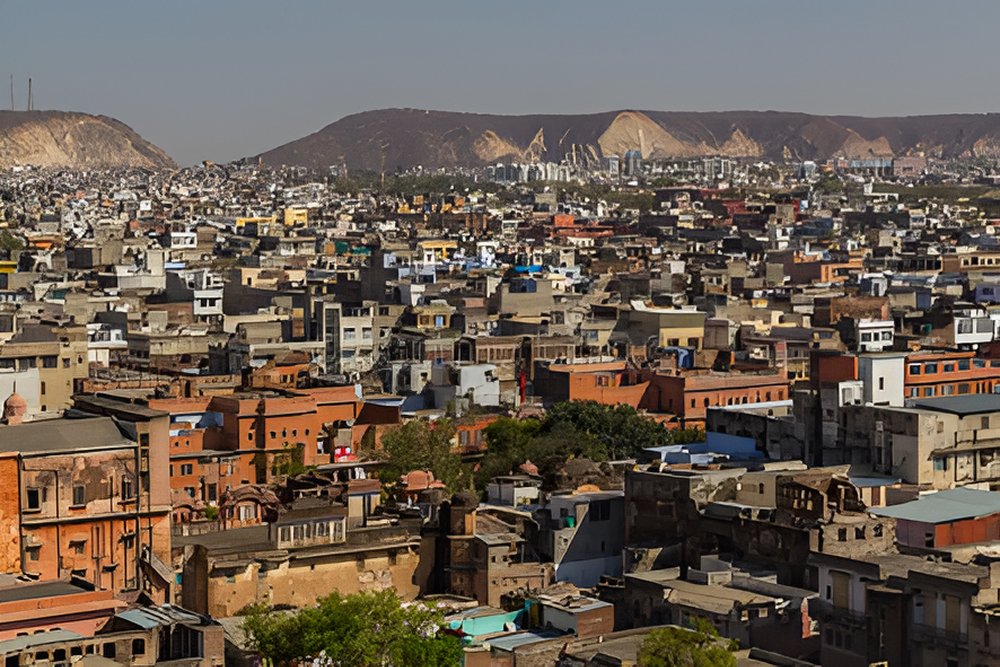
Jaipur is rapidly transitioning from a heritage-led economy into a structured commercial real estate market. Supported by strong infrastructure development, improving connectivity, and rising corporate occupier demand, the city is emerging as one of the most active Tier-2 growth hubs in India. According to the report Unlocking Jaipur – North India’s Emerging Tier-2 Commercial Hub, by CRE Matrix and CREDAI Rajasthan, increasing interest from GCCs, IT/ITeS firms, and institutional investors is reshaping Jaipur’s office and mixed-use real estate landscape at a steady pace.
Tier 2 Cities Driving Commercial Real Estate Trend in India
Jaipur’s growth story is being shaped by multiple forces working together, including infrastructure expansion, policy support, and rising business activity. The city is steadily strengthening its position as a diversified economic center, where improving connectivity, cost efficiency, and long-term planning are attracting both occupiers and investors. As these factors continue to align, Jaipur is set to play a stronger role in India’s broader commercial real estate growth trajectory.
Why Jaipur is Gaining Importance
Jaipur is emerging as a key Tier-2 growth market in India as expansion moves beyond Tier-1 cities. This shift is important for supporting future economic growth. The city has recorded a GDP growth of 16.7%, which is higher than the national average of 7.7%. As a result, Jaipur is now one of the fastest-growing urban centres in North India. It is attracting businesses, talent, and investments at a steady pace.
Cost Advantage
Jaipur offers a strong cost advantage. Office rentals are in the range of ₹38–42 per sq ft, creating nearly 54% rental arbitrage compared to Tier-1 cities. Lower costs reduce operational expenses and make the city highly attractive for GCCs, IT firms, and MNCs looking to scale efficiently.
Infrastructure & Connectivity
Infrastructure is improving rapidly in Jaipur. The city is connected through major highways such as NH-48, NH-52, NH-21, and NH-12. The Delhi–Mumbai Expressway has reduced travel time between Delhi and Jaipur to under three hours, improving regional accessibility. Freight corridors are also strengthening logistics efficiency and economic integration.
Office Market Growth
Jaipur’s office market is expanding steadily. Around 7.8 million sq ft of office stock exists in 2025, and IT companies, GCCs, and professional services firms are driving strong demand. In addition, co-working and flexible workspace operators are supporting higher absorption across key locations. The market is expected to grow further and reach nearly 13 million sq ft by 2030, as occupier demand continues to rise and businesses expand their presence.
IT & ITeS Ecosystem
Jaipur is emerging as a growing IT and ITeS destination. The city is attracting outsourcing firms and Global Capability Centres due to cost advantages and policy support. IT parks and Special Economic Zones are being developed, with projects like Mahindra World City Jaipur supporting this growth. The ecosystem is still evolving but scaling at a steady pace.
Talent & Workforce
Jaipur has a strong talent base, with more than 100,000 graduates passing out every year across technology, finance, and management streams. In addition, the cost of talent remains lower than in Tier-1 cities. This gives businesses a clear advantage in scaling operations more efficiently and managing costs effectively.
Retail & Tourism Economy
Tourism continues to support Jaipur’s economy. The city attracted around 1.3 crore visitors in 2024. Retail stock stands at approximately 3.1–3.8 million sq ft, with occupancy levels close to 75%. Tourist demand continues to support malls, high streets, and hospitality.
Residential & Urban Development
Residential demand is rising steadily. Average housing prices are around ₹5,350 per sq ft. At the same time, integrated townships and mixed-use developments are expanding across the city. These projects are creating a live-work-play ecosystem. As a result, demand for commercial real estate is also increasing.
Government Policies & Incentives
The Rajasthan government has introduced strong policies to attract investment. RIPS 2024 reduces setup costs by up to 30%. In addition, IT and ITeS policies provide tax benefits. The Data Centre Policy offers incentives of ₹10–20 crore annually. Stamp duty exemptions and electricity support further improve business viability.
Industrial & Logistics Growth
Jaipur is emerging as a strong industrial and logistics hub. Its location within the Golden Quadrilateral network gives it a strategic advantage. Strong highway connectivity and freight corridors improve supply chain efficiency. In addition, industrial zones and logistics parks are expanding across key corridors.
Quality of Life & Sustainability
Jaipur offers a balanced lifestyle with a lower cost of living compared to metro cities. Air quality is relatively better, and the city is also focusing on sustainability through increasing renewable energy adoption, especially solar projects. These factors make Jaipur attractive for both businesses and employees.
Investment Potential
Jaipur offers a strong investment opportunity as it combines affordability, infrastructure growth, and policy support. Investors are showing rising interest due to steady demand across sectors. Expected returns are in the range of 8–10%, and the market is still in a growth phase, which creates strong long-term appreciation potential.
Future Outlook: Jaipur 2030
Jaipur is expected to see strong economic and real estate growth by 2030, driven by infrastructure, policy support, and rising business activity. The city’s GDP is projected to reach ₹5 lakh crore, supported by an estimated ~15% CAGR growth, reflecting strong long-term momentum.
Commercial real estate is also set for expansion, with office stock expected to grow from around 7.8 million sq ft in 2025 to nearly 13 million sq ft by 2030. Growth will be driven by demand from IT/ITeS companies, GCCs, and enterprise occupiers, as well as the increasing adoption of flexible workspaces.
Improving connectivity through the Delhi–Mumbai Expressway and expanding logistics infrastructure will further strengthen Jaipur’s position as a regional business hub. Combined with cost advantages and a growing talent base, the city is well-positioned for sustained commercial expansion.
Elevate your decisions in real estate as a developer or broker with CRE Matrix‘s data-driven insights. Book a demo now!